
Cultural Weddings at Haiku
A Thoughtful Guide to Celebrations Rooted in Meaning
Cultural weddings are shaped by ritual, rhythm, family, and memory. They move differently. They carry intention beyond aesthetics. And they require a venue that understands how to hold space—without interrupting the story.
At Haiku, cultural weddings are not treated as variations on a template. They are approached as complete experiences, often layered, multi-generational, and deeply personal.
This guide explores how cultural weddings unfold, what to consider while planning one, and how thoughtful design and logistics can support tradition rather than compete with it.
Culture Is the Framework, Not the Accent
Culture isn’t a detail to be added—it’s the foundation.
It influences how guests gather, who participates, how time is honored, and how celebration flows.
In many cultural weddings, tradition shapes:
The structure of the ceremony
The pacing of the day
The roles of family and community
The transition from ceremony to celebration
Haiku’s flexibility allows these elements to guide the experience naturally, without forcing a standard timeline.
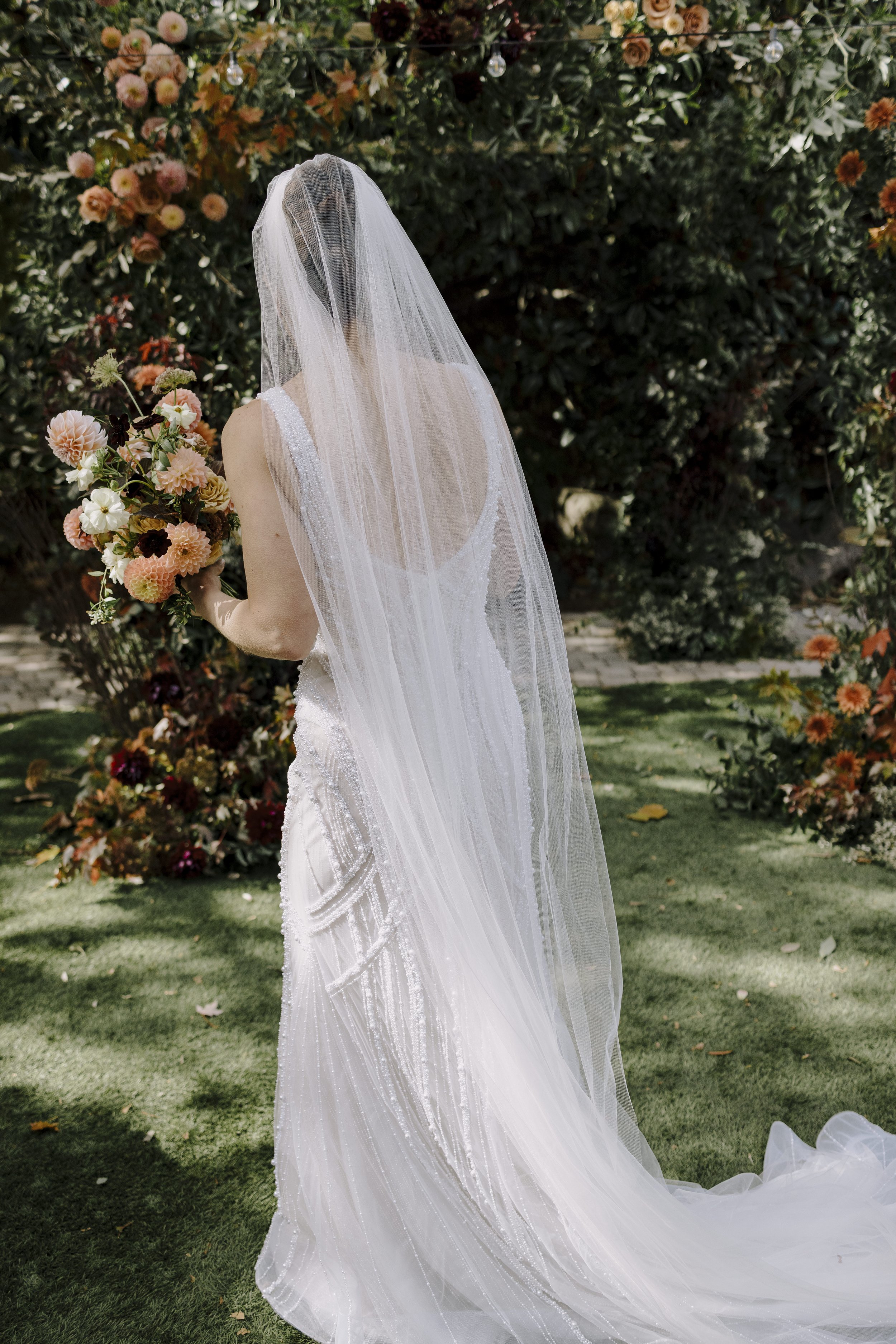
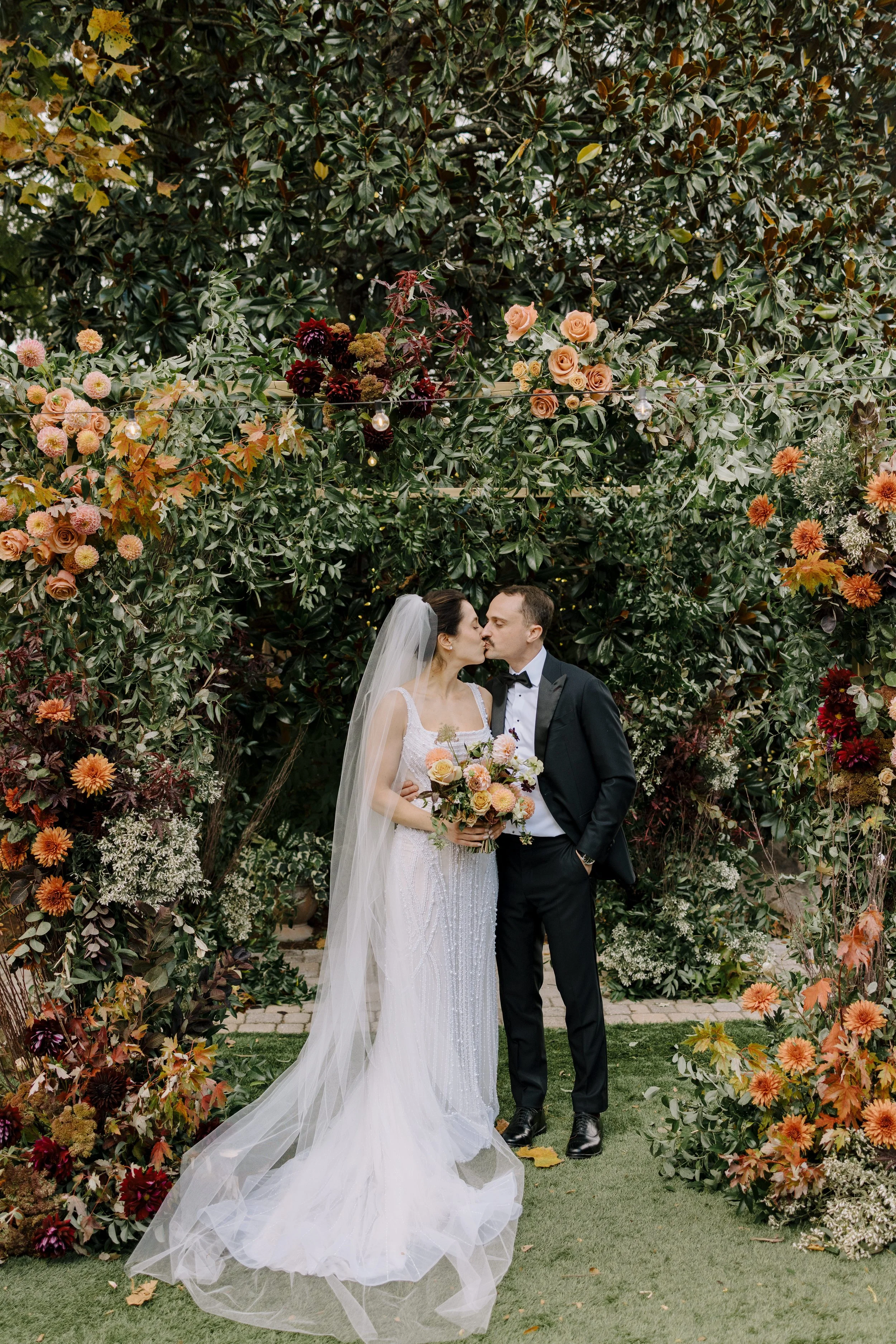
Designing Space for Ritual and Movement
Many cultural ceremonies involve movement—processions, circling, standing rituals, communal gestures, or shared dance.
When planning, consider:
Clear sightlines for guests
Layouts that allow motion without congestion
Transitions that don’t interrupt the energy of the moment
Haiku’s layout supports both stillness and movement, allowing ceremonies to remain grounded while accommodating dynamic traditions.
Family at the Center
In cultural weddings, family is often active—not symbolic. Parents, elders, and extended family may guide, witness, or participate throughout the day.
Planning with family in mind means:
Seating that honors elders
Timelines that allow for acknowledgment and exchange
Space for both private moments and shared experiences
Haiku regularly hosts weddings where generations move together through the day, creating continuity rather than separation.
Ceremony and Celebration as One Experience
For many cultural weddings, the celebration does not begin after the ceremony—it evolves from it.
Music may start early. Guests may already be engaged. Joy builds gradually instead of appearing all at once.
Haiku’s spaces support this continuity, allowing the energy of the ceremony to carry forward naturally into the celebration.